Gear Lubricants
Smooth Operation, Maximum Efficiency
Gear Lubrication for Reliable Equipment Performance
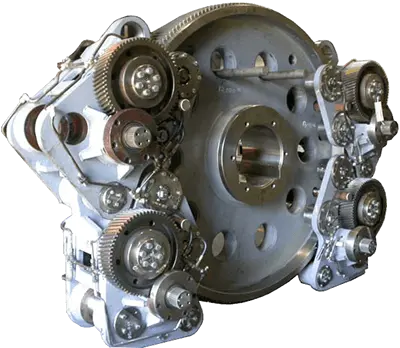
Industrial gear systems face high loads, elevated temperatures, and contamination from dust, moisture, and process debris. Without proper lubrication, these conditions accelerate wear, increase oil consumption, and cause unplanned downtime. LE’s gear lubricants are engineered to maintain film strength, control oxidation, and resist foaming and emulsification under even the harshest conditions.
A strong lubrication reliability program protects both equipment and lubricant investments, extending service life and improving operational efficiency. By pairing high-performance gear oils with proper storage, filtration, and monitoring practices, facilities can reduce failures, minimize maintenance costs, and maximize uptime.
Each gearbox and drivetrain has unique requirements influenced by load, speed, temperature, and environmental exposure. Selecting the right viscosity and additive formulation helps prevent metal-to-metal contact, improve energy efficiency, and ensure consistent performance. With synthetic, mineral, and food-grade options available, LE gear lubricants deliver reliable protection across a wide range of industrial and mobile applications.
Explore Our Gear Lubricant Categories
Common Challenges
Gearboxes operate under tough conditions, and even small lubrication issues can lead to costly repairs or downtime. The following are some of the most common challenges that affect gear reliability and lubricant performance.
- Contamination: Dirt, debris, and water entering the gearbox accelerate wear and shorten lubricant life.
- Oxidation & Varnish Formation: High operating temperatures lead to thickening, sludge, and reduced performance.
- Foaming & Aeration: Air entrainment causes poor lubrication film and excessive heat.
- Emulsification: Water mixing with oil reduces load-carrying ability and promotes corrosion.
- Improper Lubricant Selection: Using the wrong viscosity or additive package increases friction and component wear.
Best Practices
To get the most from your gear lubricants, proper maintenance and contamination control are essential. Implementing the following best practices will help extend gearbox life, reduce downtime, and ensure consistent performance across all operating conditions.
- Install a desiccant breather to prevent moisture and dust ingress.
- Use a sight glass or oil sight gauge for quick condition checks.
- Select the correct gear oil based on load, temperature, and environment.
- Implement oil analysis to monitor wear and contamination levels.
- Filter oil to a target cleanliness code of 17/16/13 or better.
- Apply color-coding and tagging to ensure proper lubricant identification and handling.
Documents
Videos
How To Order
All Lubrication Engineers products listed on this site are available exclusively by request. To ensure you receive the most accurate product recommendations and pricing, we encourage you to contact us directly to place your order. Our team is available to assist you in selecting the right solutions tailored to your specific needs.