Series Progressive Lubrication Systems

Series Progressive System Overview

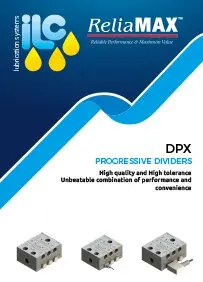
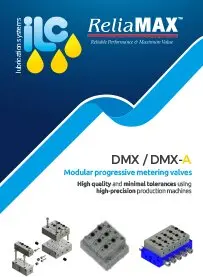
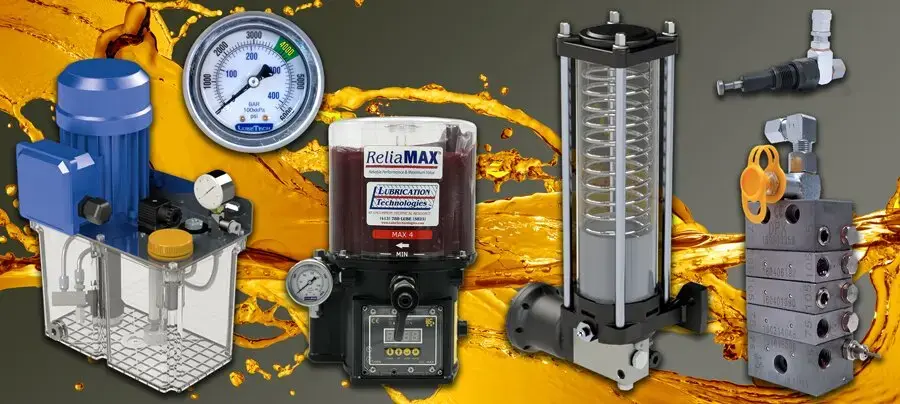
Progressive lubrication systems are designed to distribute oil or grease (up to NLGI 2) to critical friction points on machinery. ILC’s DPX series divider valves can serve between 2 and 24 lubrication points with precise discharge to each. For larger applications, our DMX series valve assemblies can handle up to 40 points. The system is easy to control and can be monitored via a proximity switch installed on the primary divider valve.

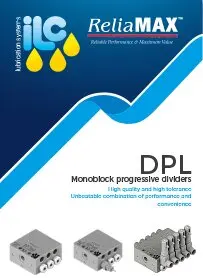
These systems are ideally suited for automatic grease lubrication on a wide range of equipment, including industrial machinery, trucks, trailers, buses, construction equipment, and material handling machines. In some configurations, using a combination of DPL, DPX, and DMX dividers, a single grease pump can automatically service over 300 lubrication points.

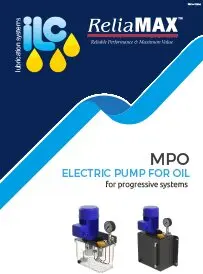
Each pump is engineered for intermittent or continuous operation and delivers pre-programmed lubrication cycles based on the needs of the application. A direct-mounted electric gear motor drives an internal rotating cam, which actuates up to three externally mounted pump elements. Each pumping element includes an integrated relief valve to protect the system from overpressure. For higher lubricant volume, the three pump outlets can be combined into a single discharge line.

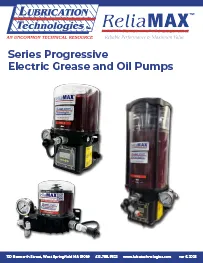
ReliaMAX™ Series Progressive Lubrication Systems

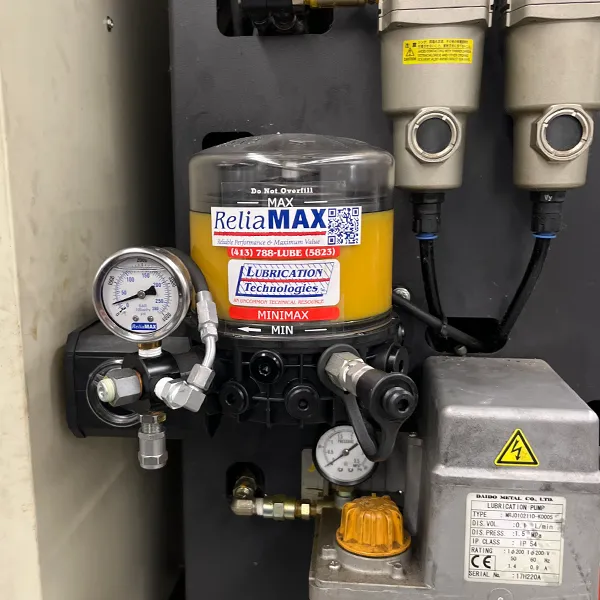
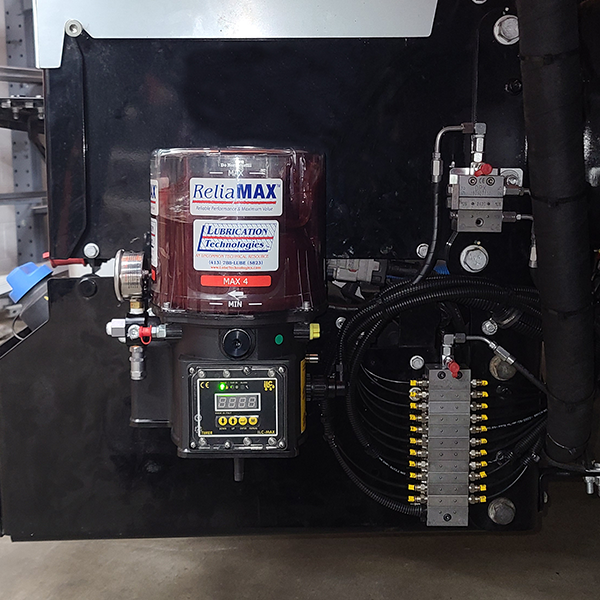
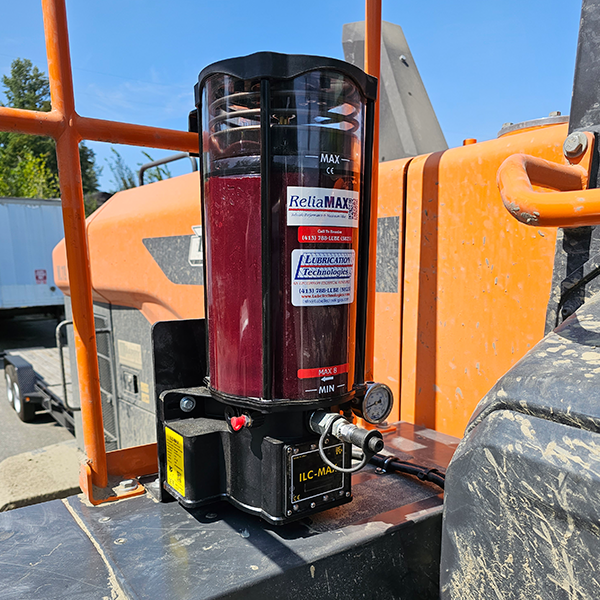
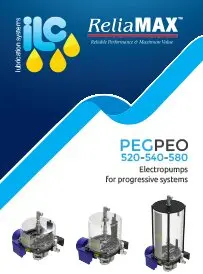
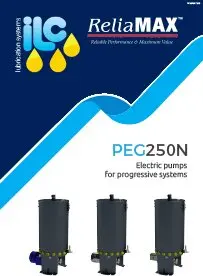
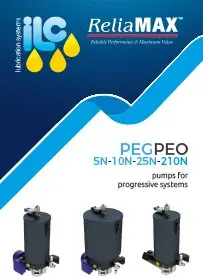
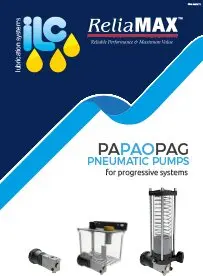
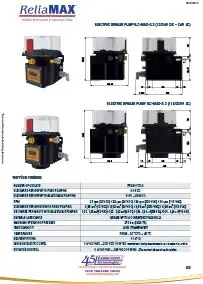
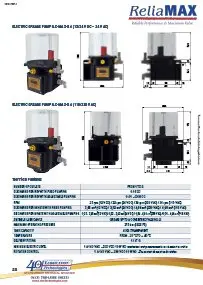
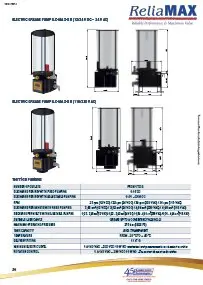
ReliaMAX™ MINIMAX, MAX2, MAX4, and MAX8 — Electric Grease and Oil Pumps for Series Progressive Systems

ReliaMAX™ Series Progressive Lubrication Systems are reliable, customizable solutions that integrate with centralized lubrication layouts using up to three types of progressive dispensing. These systems can be paired with either manual or automatic pump setups and are suitable for oil or grease (up to NLGI 2). Designed for easy control and monitoring, they are built to perform reliably in the demanding environments typical of industrial equipment and fleet operations.

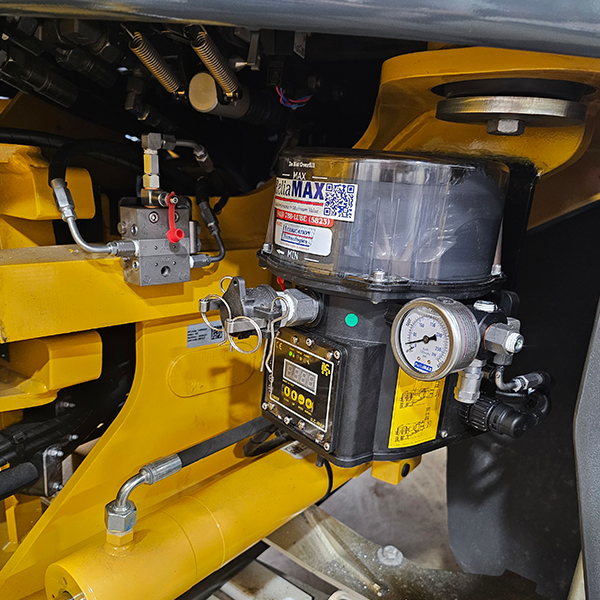
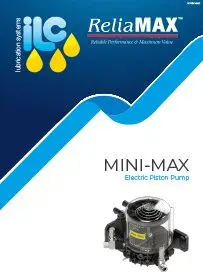
Each system is powered by a ReliaMAX™ electric pump designed for intermittent or continuous operation. A direct-mounted electric gear motor drives an internal rotating cam that actuates up to three externally mounted pump elements. Each element delivers up to 2.88 cc/min and operates at pressures up to 250 bar. For higher discharge, two or more outlets can be combined into a single line. Each element includes a relief valve to protect against system overpressure.

To ensure reliable flow, the internal drive shaft is coupled to a paddle, maintaining continuous priming of the pump elements — even with NLGI 2 grease and ambient temperatures as low as -20°C.

The electric gear motor is housed in a durable, IP-56 rated nylon/fiberglass enclosure. An O-ring seal ensures internal protection and long-term system integrity.

MINIMAX

MAX2

MAX4

MAX8

How A Series Progressive System Works

Automatic lubrication systems deliver a precise amount of lubricant to multiple points on equipment while it is operating. Instead of manual greasing, these systems use pumps, metering devices, and distribution networks to ensure every critical component receives consistent lubrication. This reduces friction and wear, improves reliability, and lowers maintenance costs.

There are many types of lubrication systems, such as single-line, dual-line, volumetric, air-oil, and minimum quantity lubrication setups. Each is suited to specific equipment and operating conditions.

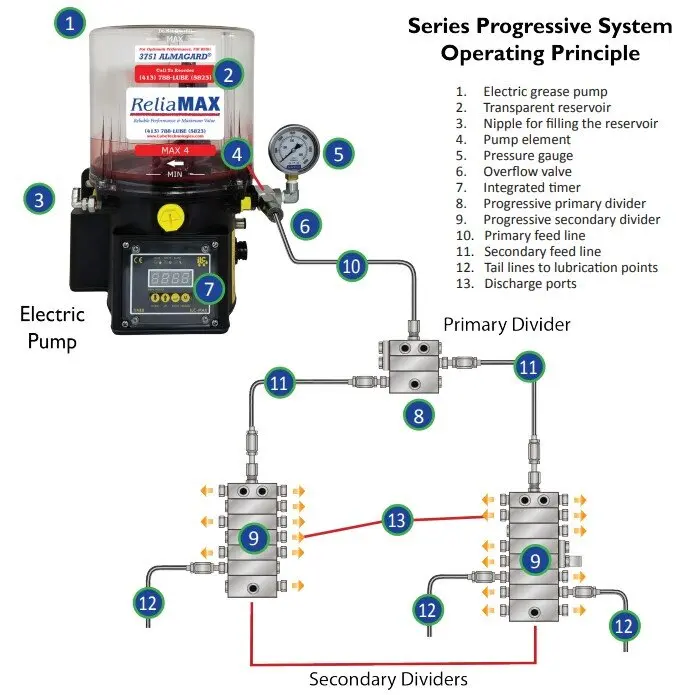
The example shown here illustrates a Series Progressive System. In this design, an electric pump delivers lubricant to a primary divider valve, which then meters the lubricant in sequence. The flow is distributed through feed lines to secondary dividers or directly to lubrication points, ensuring each point receives the correct amount at the right time.

  1. Electric grease pump supplies lubricant from the reservoir.
  2. Transparent reservoir makes it easy to monitor lubricant level.
  3. Nipple (zerk fitting) for filling allows convenient refilling of the reservoir.
  4. Pump element pushes lubricant into the system under pressure.
  5. Pressure gauge shows system operating pressure.
  6. Overflow valve protects against over-pressurization.
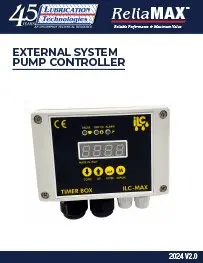
  7. Integrated timer controls system cycles and intervals.
  8. Progressive primary divider receives lubricant from the pump and begins distribution.
  9. Progressive secondary dividers split and meter lubricant to additional lines.
  10. Primary feed line connects the pump to the primary divider.
  11. Secondary feed lines carry lubricant from the primary divider to the secondary dividers.
  12. Tail lines deliver lubricant directly to critical lubrication points.
  13. Discharge ports ensure each point receives the precise amount of lubricant.

Features and Benefits of Series Progressive Systems

Point-by-Point Lubrication Monitoring

A series progressive system meters lubricant to each lubrication point sequentially, one after another. In the event of a blockage, the divider valve stops cycling - immediately halting the system. This built-in shutdown mechanism provides clear indication of a fault, unlike multiline or injector systems, which cannot detect or report blocked points.

Visual and Electronic Flow Confirmation

There is visual confirmation of lubricant flow through the divider via an indicator pin that oscillates as the system operates. An optional proximity switch can be installed on the valve and connected to a dedicated M12 port on the pump. In the event of a blockage, the switch signals a flow issue to the controller, triggering a fault condition. The fault output can be used to activate a warning light or alert in the operator’s cab for immediate attention.

Continued Lubrication in the Event of a Pump Issue

The divider valve configuration is the only system design that allows greasing of all lubrication points in the event of a pump issue. Unlike other system types that rely entirely on pump pressure for lubrication, a progressive divider valve can be manually actuated using a grease gun. This gives operators the ability to maintain critical lubrication during downtime, minimizing the risk of equipment damage until the pump is repaired or replaced.

Compatible with NLGI #2 Grease and Easy Refilling

The pump is fully capable of handling NLGI #2 grade grease and features a large inlet port designed for efficient refilling. A cam lock fitting is affixed to the inlet, allowing personnel to refill the pump cleanly and safely using a manual pail pump - minimizing contamination and improving ease of service.

Real-Time Monitoring with Visual Feedback

The divider valve configuration is the only system design that allows greasing of all lubrication points in the event of a pump issue. Unlike other system types that rely entirely on pump pressure for lubrication, a progressive divider valve can be manually actuated using a grease gun. This gives operators the ability to maintain critical lubrication during downtime, minimizing the risk of equipment damage until the pump is repaired or replaced.

Rotation-Based Programming for Consistent Output

While most competitive systems are programmed by run time and dwell time, the ILC pump can be programmed by a specific number of pump rotations. This rotation-based control ensures consistent lubricant delivery regardless of ambient temperature. In contrast, time-based systems may deliver varying amounts due to temperature-related changes in pump speed, potentially under- or over-lubricating equipment.

Series Progressive Installations

Equipment Type: Semi-Tractor Trucks, Tri-Axle Tractor
Manufacturer: Peterbilt
Model: 389
Lubrication Points: 44 Points
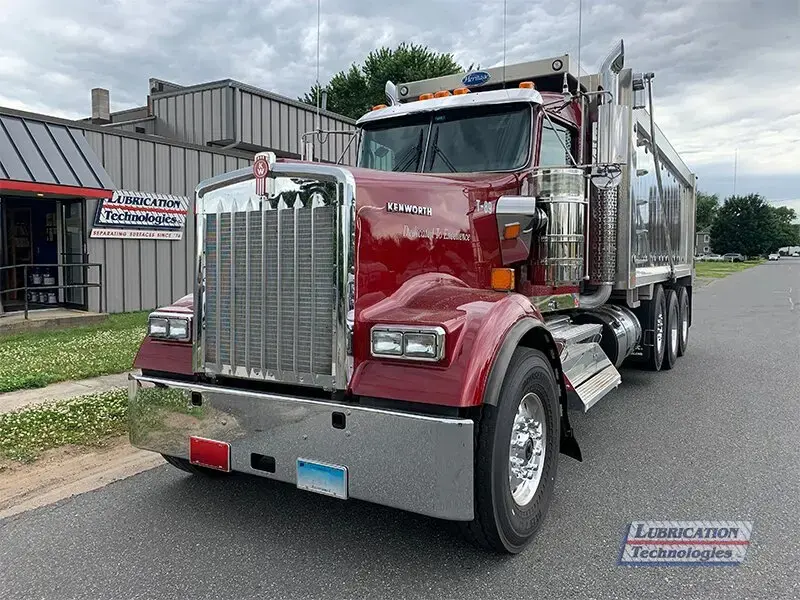
Equipment Type: Dump Trucks, Tri-Axle Dump Trucks
Manufacturer: Kenworth
Model: W900
Lubrication Points: 36 Points
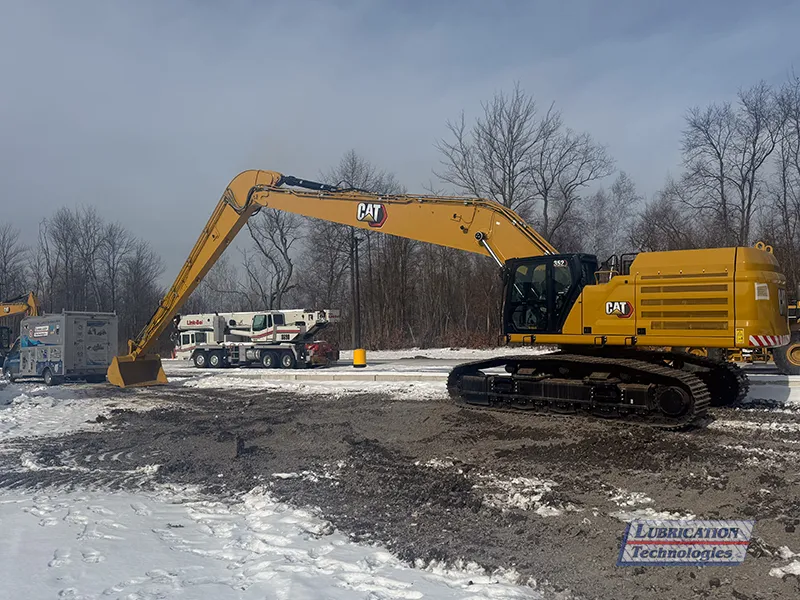
Equipment Type: Excavators
Manufacturer: Caterpillar
Model: 352
Lubrication Points: 14 Points
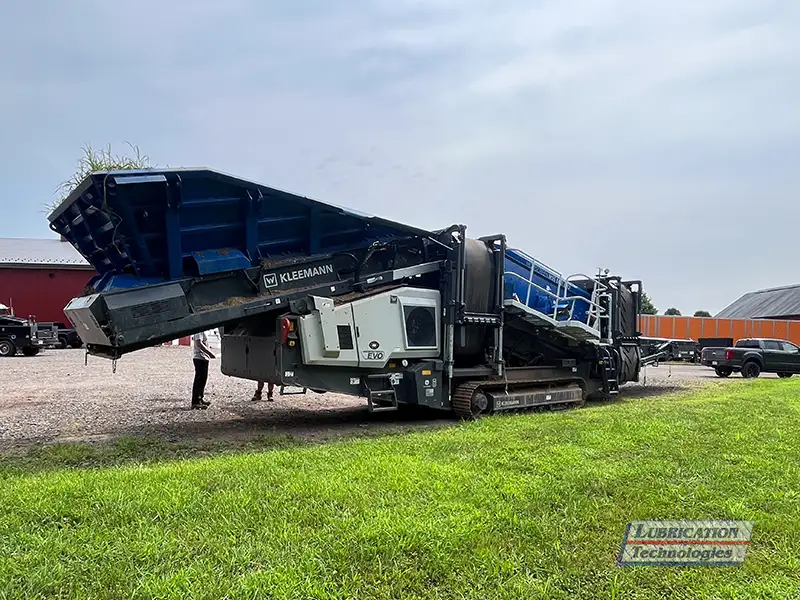
Equipment Type: Material Screening Machine, Mobile Screening Plant
Manufacturer: KLEEMANN
Model: MOBISCREEN MSS 802i EVO
Lubrication Points: 16 Points

Latest News

Stay updated with our latest projects, industry insights, and innovations in lubrication technology. From successful installations to new product launches, discover how we’re driving efficiency and reliability across industries.

Menu