Hidden Costs of Over-Greasing
A Breakdown by Component Type
Over-greasing doesn’t improve reliability, it quietly destroys it. Excess grease builds pressure, ruptures seals, overheats components, and introduces contaminants. Here’s how it affects your equipment and your budget.
Bearings
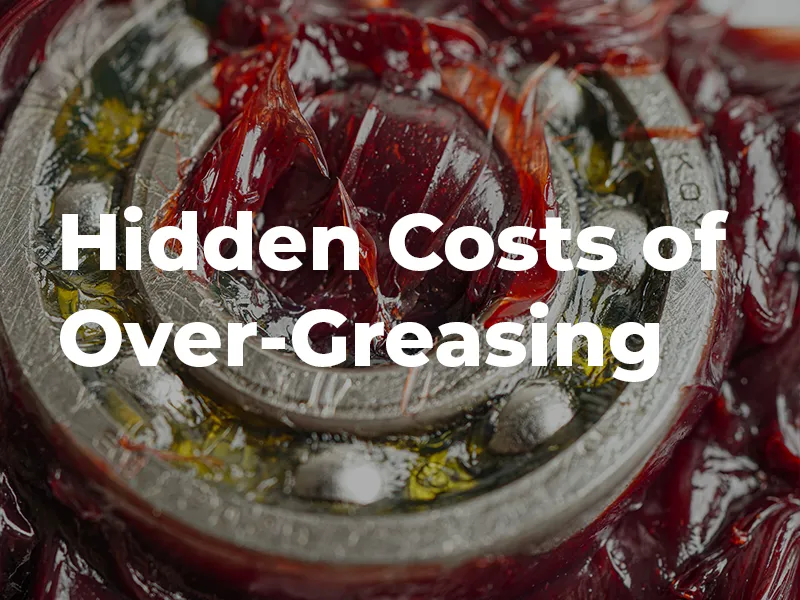
Too much grease leads to pressure buildup and heat. Seals blow, friction increases, and lubricant degrades. The result is shorter bearing life, more downtime, and higher energy consumption from struggling equipment.
Electric Motors
Grease forced into motor windings damages insulation, raises internal temperatures, and creates imbalances. Efficiency drops, failure risk climbs, and in extreme cases, fire hazards can occur.
Seals and Gaskets
Grease pushes past seals, damaging them and allowing water, dust, and debris inside. Once compromised, these seals expose internal parts to contamination, leading to accelerated wear and corrosion.
Couplings and Gears
Excess lubricant impacts balance, increases churning, and causes thermal breakdown. This results in premature gear wear, added vibration, and the kind of noise that keeps maintenance techs up at night.
Grease Waste
Overuse leads to unnecessary product cost, excess disposal fees, and wasted labor. Time spent purging or cleaning up after over greasing is costing money.
The Fix
Apply only what’s needed. Use precise schedules and the right quantity per equipment type. Install automatic lubrication systems where possible. The controlled input of grease is what drives consistent performance, reduces wear, and extends component life.