Lubrication Systems

Lubrication Systems

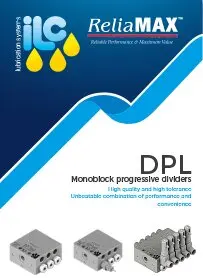
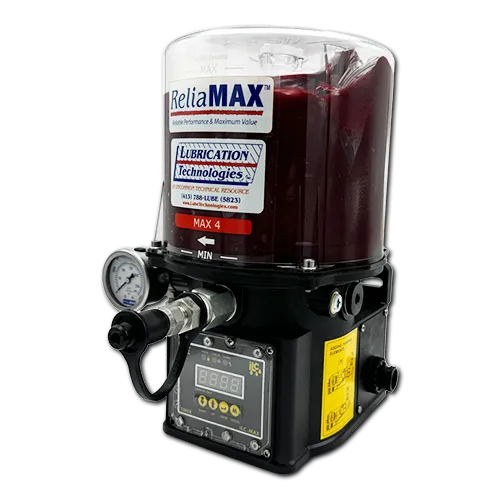
Series Progressive
Single-Line Systems

Off / On Road Mobile Equipment
In-Plant • Industrial • Infrastructure
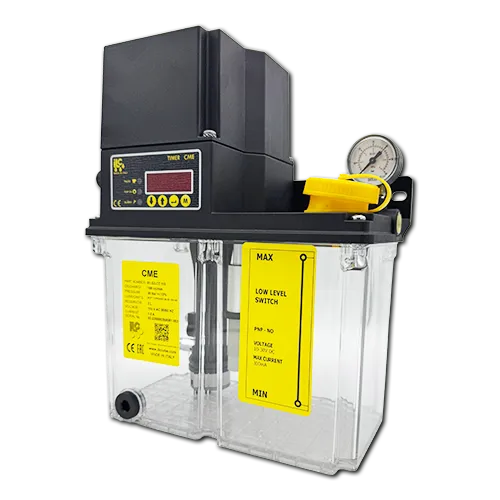
Volumetric
Lubrication Systems

Industrial Machinery • Electric & Pneumatic
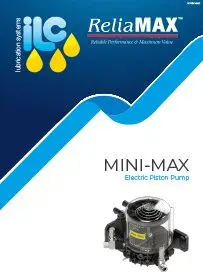
Pumps for Oil & Soft Grease
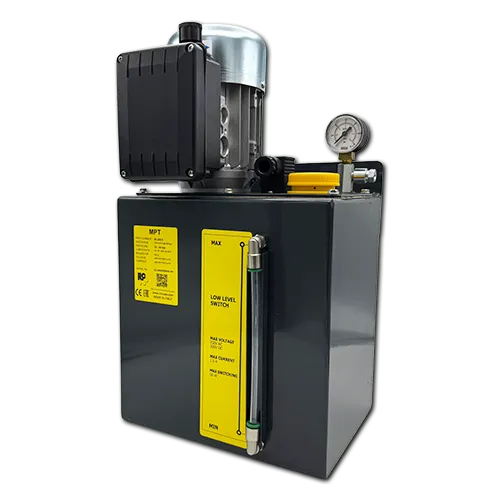
Single Line Resistive
Lubrication Systems

Low Pressure Oil Systems for Light,
Medium, and Heavy Machinery
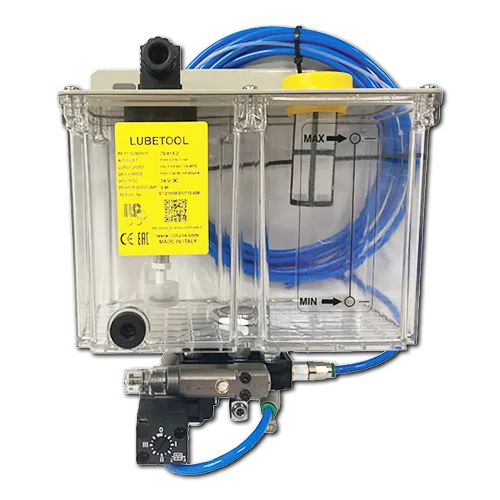
Lubetool Micro
Lubrication Systems

Band Saws • Milling • Tapping • Boring
Chains • Minimum Quality Spray
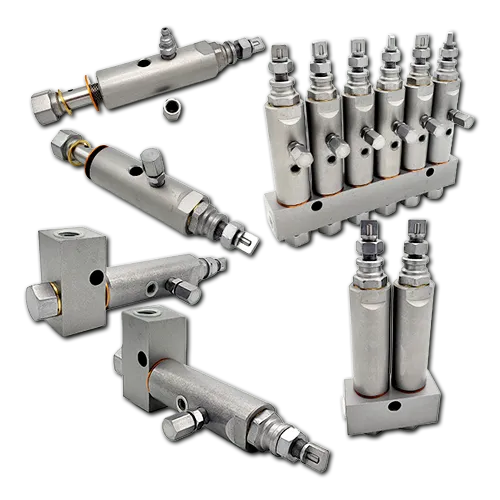
Single-Line High-Pressure
Grease Injectors

Machine Tools • Printing Machines • On/Off-Road Machines • Construction & Forestry Machines
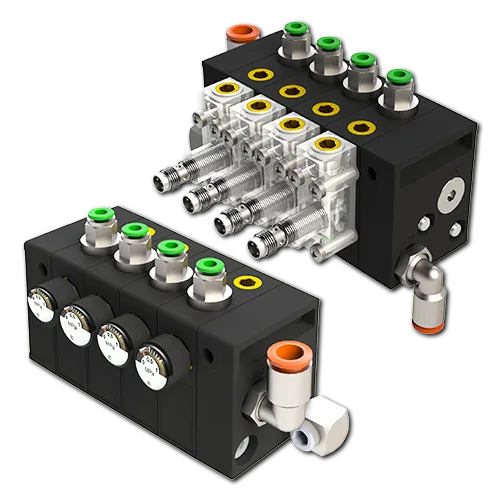
Air-Oil
Lubrication Systems

Bearings in Electric Spindles
& Mechanical Processing Heads
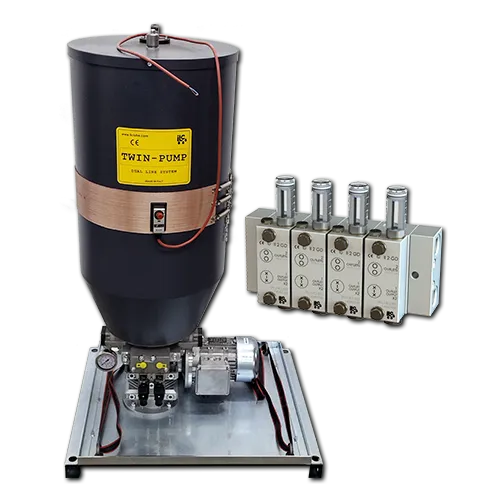
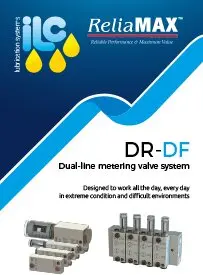
Dual Line
Lubrication Systems

Steel & Paper Mills • Long Runs • Large Machinery
Harsh Operating Conditions
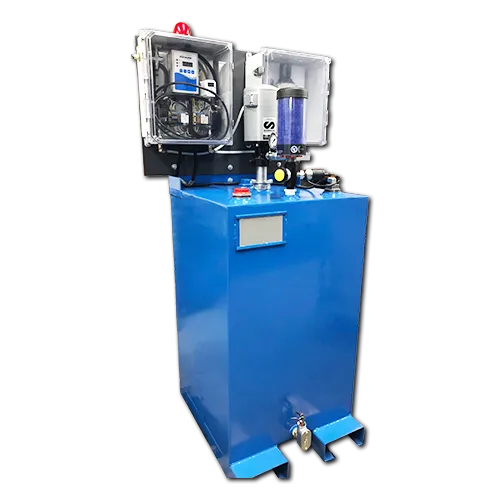
Open Gear
Lubrication Systems

Draglines • Cement Kilns • Wind Turbines • Conveyor Systems • Paper & Rubber Processing Machinery
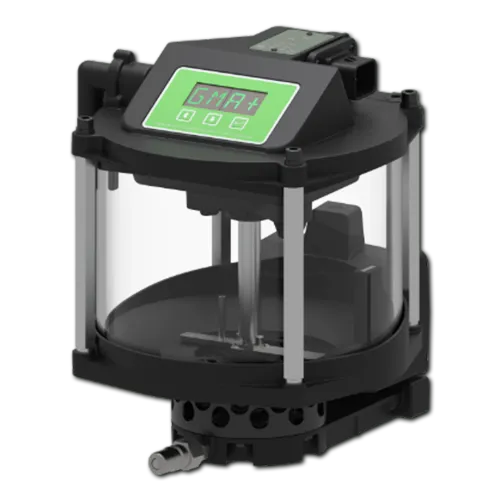
Multi-Line
Lubrication Systems

Cranes • Conveyors • Pumps • Large Presses
Crushers • Compressors • Pumps
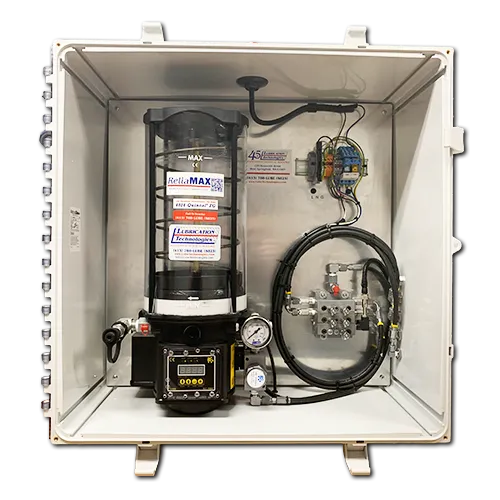
Chain Spray
& Brush Systems

Food & Beverage Ovens & Processes • Painting Ovens Conveyors (Various Industries)
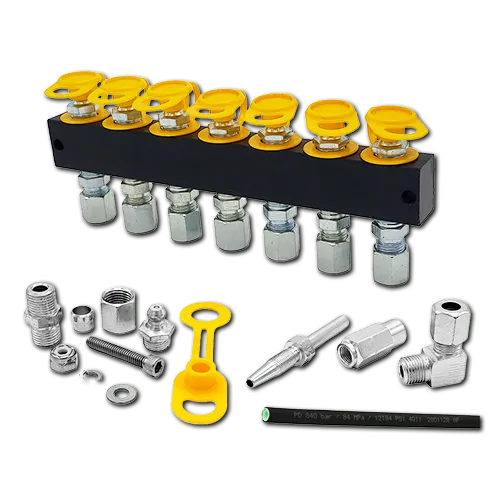
Remote Grease
Manifold Kits

Industrial • Trucks • Trailers • Vocational Specialty Vehicles • Mobile & Stationary Mining Machinery
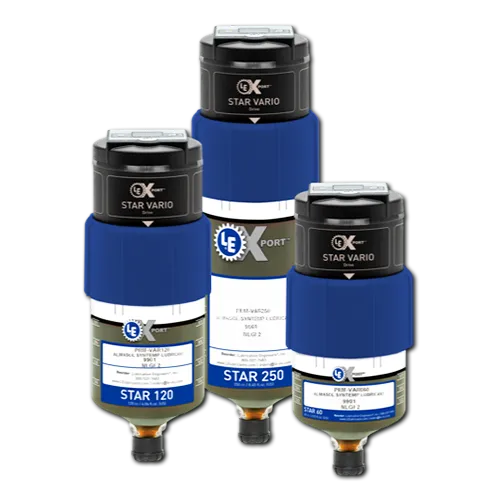
Single-Point Automatic Lubricators

Bearings • Electric Motors • Fans • Drag Conveyors
Rotary Kilns • Shaker Screens • Belt Conveyors
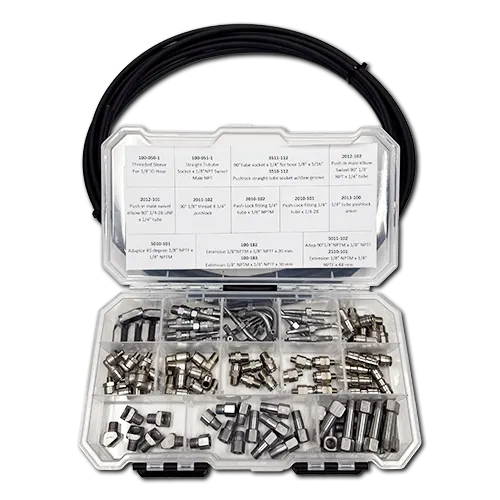
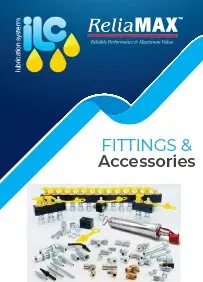
Lubrication System Fittings & Accessories

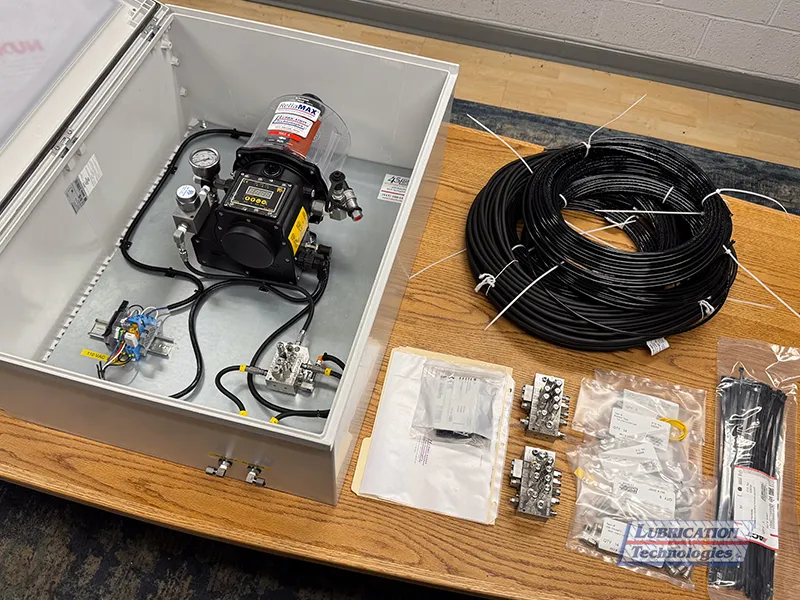
Lubrcation System Parts Kits

Heavy Equipment • Lincoln • BSP
Street Sweepers / Trucks Kits

Lubrication System Fittings

Compression Fittings • Hose Studs • Threaded Sleeves
Ferrules • Bulkheads • Adapters and more!

Filling Options

Air-Operated • Manual Filling Options
Lubrication System Hose & Tubing

Air-Operated • Manual Filling Options
Features and Benefits of Automatic Lubrication Systems

Reduced Downtime and Equipment Wear

Automatic lubrication systems deliver consistent, timely lubrication to critical components, reducing friction and wear. This minimizes unplanned maintenance, lowers the risk of costly failures, and extends equipment life.

Improved Safety and Accessibility

Lubrication points located in hard-to-reach or hazardous areas can be serviced without manual intervention. Systems are designed to operate while the machine is running, reducing the need for lockout/tagout procedures.

Consistent Lubricant Delivery

By delivering the right amount of lubricant at the right time, automatic systems eliminate over- and under-lubrication. This ensures optimal performance and helps prevent lubricant waste or contamination.

Increased Productivity and Labor Efficiency

Automating the lubrication process reduces reliance on manual greasing routes, freeing up personnel for other tasks and improving operational efficiency - especially across large fleets or complex industrial systems.

Flexible System Configuration

From small single-line setups to complex multi-zone systems, automatic lubrication can be customized to suit a wide range of machines, applications, and operating conditions, including mobile, industrial, and food-grade environments.

Reduced Lubricant Consumption and Environmental Impact

Controlled lubricant delivery minimizes excess grease or oil, reducing waste and helping meet environmental and regulatory standards. Cleaner operation also improves workplace conditions and equipment cleanliness.

How Lubrication Systems Work

Automatic lubrication systems deliver a precise amount of lubricant to multiple points on equipment while it is operating. Instead of manual greasing, these systems use pumps, metering devices, and distribution networks to ensure every critical component receives consistent lubrication. This reduces friction and wear, improves reliability, and lowers maintenance costs.

There are many types of lubrication systems, such as single-line, dual-line, volumetric, air-oil, and minimum quantity lubrication setups. Each is suited to specific equipment and operating conditions.

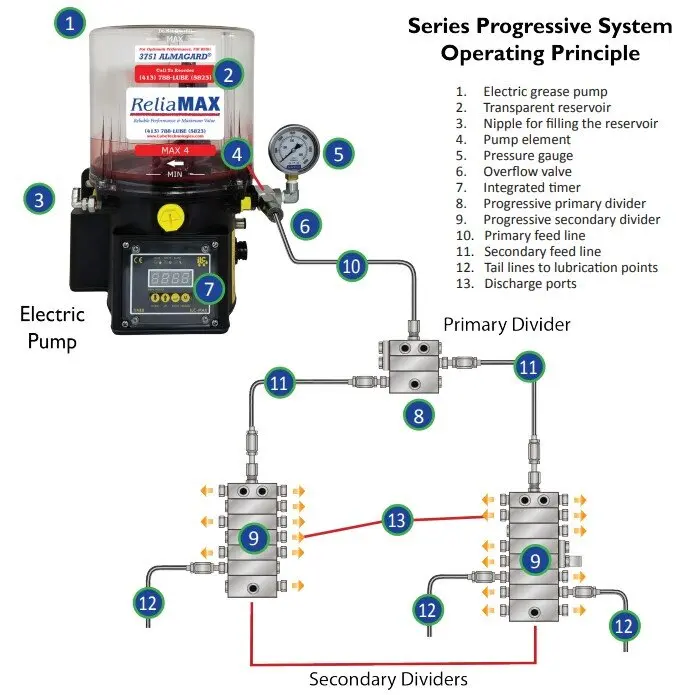
The example shown here illustrates a Series Progressive System. In this design, an electric pump delivers lubricant to a primary divider valve, which then meters the lubricant in sequence. The flow is distributed through feed lines to secondary dividers or directly to lubrication points, ensuring each point receives the correct amount at the right time.

  1. Electric grease pump supplies lubricant from the reservoir.
  2. Transparent reservoir makes it easy to monitor lubricant level.
  3. Nipple (zerk fitting) for filling allows convenient refilling of the reservoir.
  4. Pump element pushes lubricant into the system under pressure.
  5. Pressure gauge shows system operating pressure.
  6. Overflow valve protects against over-pressurization.
  7. Integrated timer controls system cycles and intervals.
  8. Progressive primary divider receives lubricant from the pump and begins distribution.
  9. Progressive secondary dividers split and meter lubricant to additional lines.
  10. Primary feed line connects the pump to the primary divider.
  11. Secondary feed lines carry lubricant from the primary divider to the secondary dividers.
  12. Tail lines deliver lubricant directly to critical lubrication points.
  13. Discharge ports ensure each point receives the precise amount of lubricant.

Lubrication System Installations

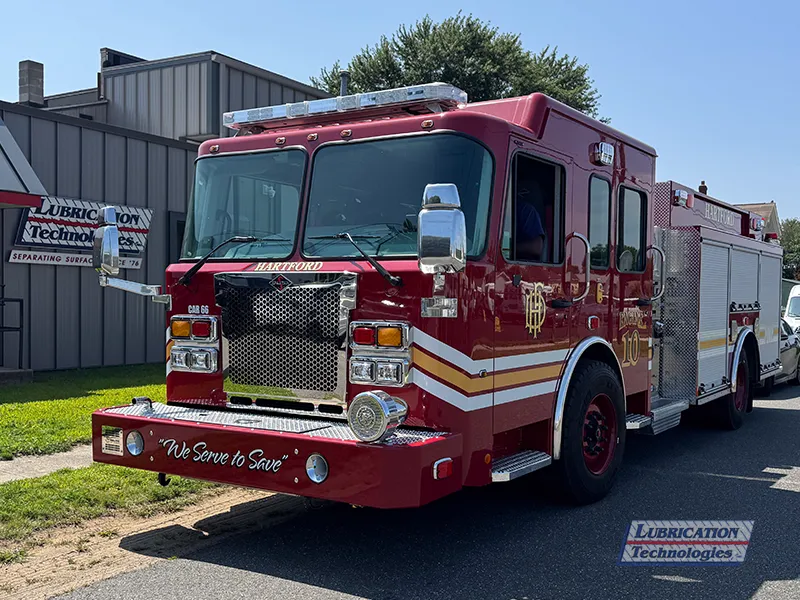
Equipment Type: Fire Apparatus
Manufacturer: Spartan
Model: Pumper
Lubrication Points: 16 Points
Equipment Type: Disc Vacuum Filter
Lubrication Points: 14 Points
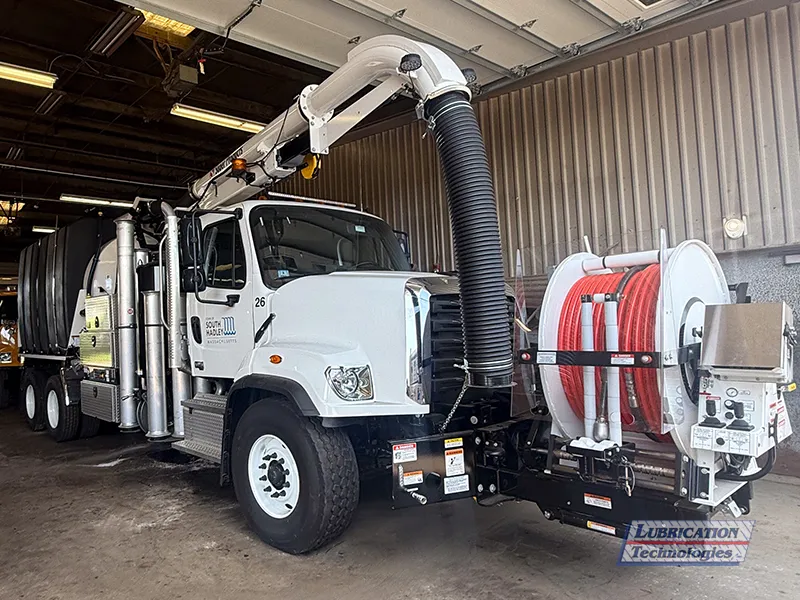
Equipment Type: Vacuum Truck
Manufacturer: Super Products
Model: Camel 1200
Lubrication Points: 36 Points
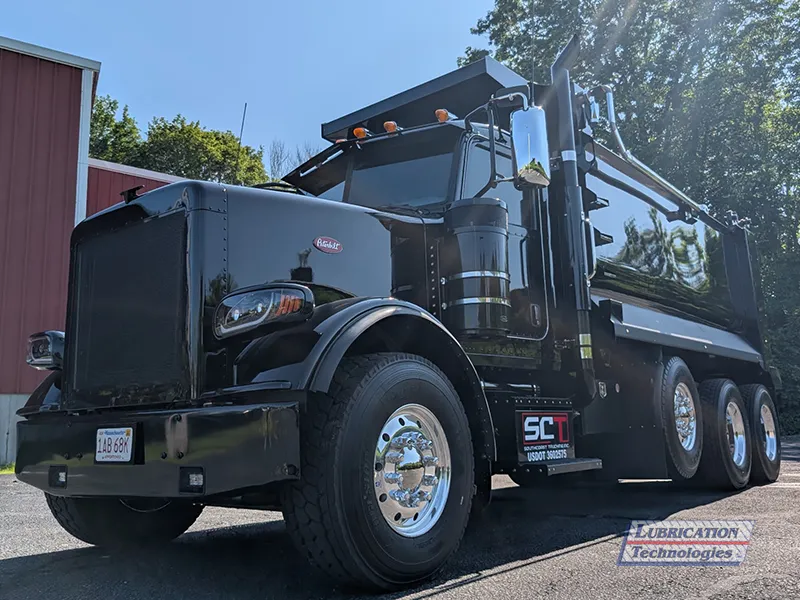
Equipment Type: Tri-Axle Dump Trucks
Manufacturer: Peterbilt
Model: 378
Lubrication Points: 15 Points

Lubricants - Small Cost, Huge Returns

Lubrication Management Programs Protect Your Assets and Save You Money:

Although lubricants make up a mere 3% of the typical maintenance budget; using ineffective products, techniques and applications can have a significant impact on the lubrication-related costs that make up 40% of that budget. A Lubrication Management Program designed by the Technical Consultants at Lubrication Technologies, Inc. can help you target those areas where you see red.

  • Your equipment and components will last longer, run more efficiently and more reliably, and you won’t replace equipment or components prematurely
  • Your labor force will spend less time on routine lubrication-related maintenance and no time on lubricant-related equipment failures
  • You’ll reduce over-all lubricant consumption as well as waste

Latest News

Stay updated with our latest projects, industry insights, and innovations in lubrication technology. From successful installations to new product launches, discover how we’re driving efficiency and reliability across industries.

Work With Us

We’ll do everything we can to ensure you get the best solution for your application!

Menu