Background
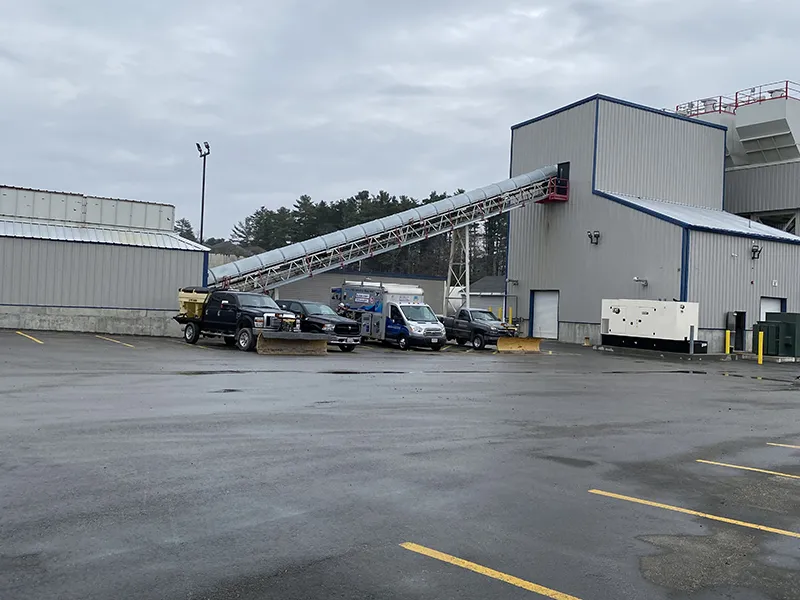
Lubrication Technologies, Inc. (LTI) had supported a Massachusetts asphalt and concrete producer for years, providing automatic lubrication systems for its fleet of mixer trucks and heavy equipment. But when the company commissioned a new, state-of-the-art concrete batch plant, there was a notable omission. No discussion occurred regarding the implementation of a best practices approach for lubrication of the internal plant equipment.
LTI President Dave Piangerelli didn’t need to inspect the plant to know that it was dependent on manual lubrication processes that bring known challenges, particularly in a high-demand environment like concrete production.
During a routine vehicle assessment at the new plant, Dave raised the issue again. It wasn’t the first time he had brought it up, but this time, he pressed harder. He knew from experience that skipping implementation of best of practices during plant design leads to safety risks, inconsistent maintenance, and unnecessary downtime. His persistence, supported by specific examples from similar facilities, finally moved the conversation forward.
As the discussion unfolded, the plant’s operations manager paused and said, “I’d be a fool to ignore your counsel.” It was an honest moment of recognition. With the risks clearly acknowledged, the manager agreed to a full evaluation of the facility to determine what improvements could be made.
Identifying The Risks
That evaluation confirmed what Dave suspected. Manual greasing the plant as it was laid out when built was already creating serious obstacles. Technicians were climbing up on equipment to access grease points in awkward and elevated positions. Lubrication schedules were inconsistent, relying entirely on staff availability and shifting operational priorities. Several fittings could only be serviced during full shutdowns, once the hoppers were emptied.
Concrete batch plants operate under intense conditions. Dust, vibration, and heavy mechanical loads create a hostile environment for moving parts. Bearings, conveyors, and gear reducers rely on consistent lubrication to perform over time, and the current configuration made that nearly impossible.
Designing a Smarter System
LTI began by assessing the lubrication needs of the entire facility. Every lubrication point was identified and logged, from hopper gates to the final conveyor reducer. With a full picture of the plant’s needs, the team designed a best practices approach focused on three goals: improving safety, eliminating inconsistent application, and allowing maintenance to happen without disrupting production.
Key upgrades included:
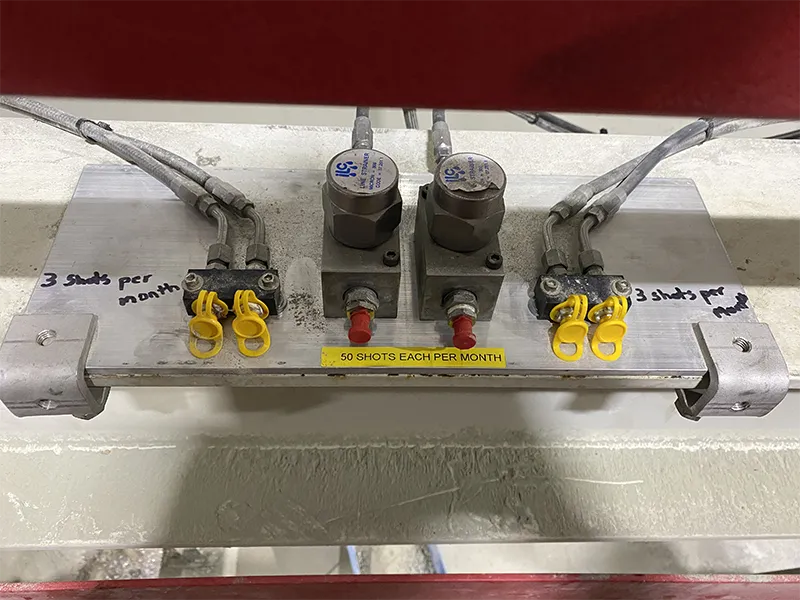
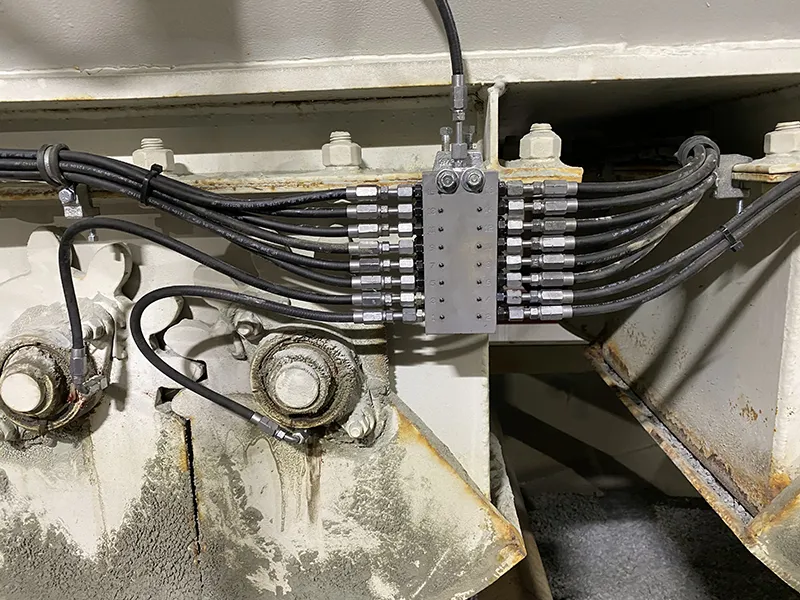
- Remote manifolds that consolidated grease fittings at ground-level service points
- Progressive divider valves to ensure even grease distribution across multiple bearings
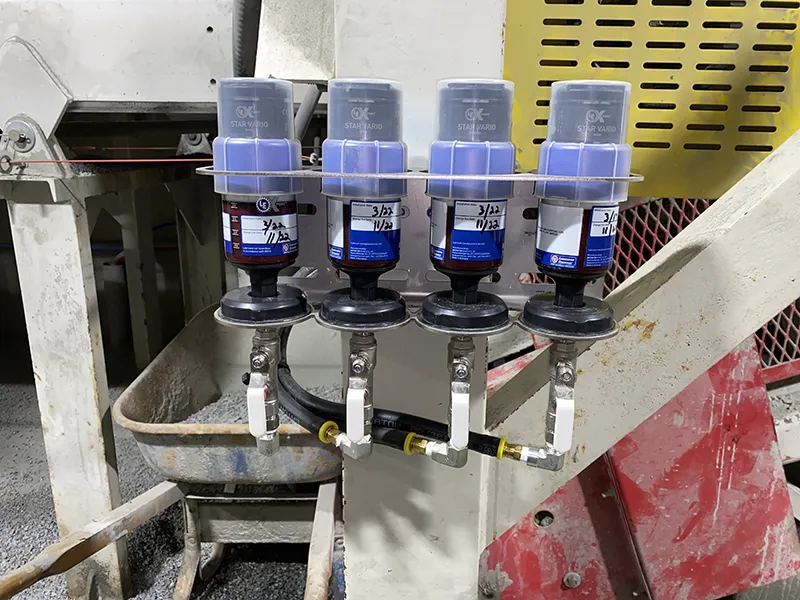
- Single-point lubricators that delivered precise lubrication during operation
- Dead-head detection to quickly identify blocked lines
- Component upgrades such as sight glasses and desiccant breathers for easier inspections
The program provided was practical, reliable, and built to match the realities of plant operations.
Better Access, Better Results
Once the new program was implemented, the improvements were immediate.
Maintenance no longer required shutting down production. Technicians could stay safely on the ground. Every lubrication point received consistent coverage, and issues like blockages became easier to detect. Bearings stayed cleaner, equipment ran more reliably, and unplanned downtime decreased.
Quantifiable outcomes included:
- Elimination of fall risk during lubrication
- Shorter and more consistent service intervals
- Fewer maintenance-related shutdowns
- Longer life for bearings and other critical components
- Increased confidence in equipment reliability
- Reduced technician time spent on lubrication tasks
The Takeaway
This project was not about adding complexity. It was about solving the problems that come from overlooking basic maintenance planning. Antiquated lubrication practices had introduced unnecessary risk and inefficiency. Centralizing and automating the process led to safer, more consistent, and more cost-effective operations.
It all began with a direct conversation and someone who refused to let a critical issue go unaddressed. Once the risks were recognized and the right questions were asked, the path forward became clear. The operations manager’s candid acknowledgment underscored the impact: ignoring the opportunity to improve would have been a mistake. The project stands as a reminder that meaningful operational improvements often begin with the persistence to challenge assumptions and the experience to know what happens if those assumptions are left unchallenged.